
Do Ear Pads Change Sound Quality?

Ear pads change sound quality because material, thickness, shape, and seal change bass and tonal balance. A worn flat pad often drops bass. A thicker or denser replacement can bring it back, and it can also move the tone. The result depends on the headphone, so choose the pad for the sound you want.

Do ear pads change sound quality?

Yes. They change the seal and the space in front of the driver. Bass and balance move with that. The same pad will not shift every headphone the same way, so the design you own is part of the answer.

A person at a studio desk with monitors and a controller

How does pad material change the sound?

A smoother, less leaky cover usually holds more bass. A more open cloth leaks a little and can sound lighter. Material is a tone choice, not only a feel choice. A Focal leather pad and a cloth pad are that split, and each one mounts on the Focal model it was cut for.

The less leaky cover tends to be ear pads for stronger bass. How you choose a material for the tone you want is ear pads for bass and tonal balance, and compatible ear pads to change the sound.

That cover is where ear pads and sound quality, ear pads for bass, pads that change the sound, and replacement pads for bass all start. The low end, more than an open cloth, is held by dense foam ear pads for bass and tonal balance. The material change shows clearly in an ear pad swap for sound and tonal balance on closed-back headphones. Material and seal choices, which still depend on the headphone you own, are compatible ear pads for a better seal and clearer sound, memory foam ear pads for a tighter bass seal, and compatible pads for a bassier sound on closed-back headphones.

A mixing desk, monitors, and guitars in a studio

How does thickness change bass and balance?

Thicker pads add space and can loosen or deepen bass depending on the seal. Thinner pads bring the driver closer. If the old foam collapsed, replacing it with a proper depth is often what brings bass back. Denon pads move the bass the same way when the depth changes, and the new pair has to use the Denon mount.

That depth is restored by replacement pads for deeper bass. When the flat pad is what opened the seal, buy ear pads for a bassier sound, and consider dense ear pads for fuller bass if you want the low end filled in rather than merely thicker.

When the depth changes, ear pads for bass, replacement pads for bass, ear pads and sound quality, and pads that change the sound all move. The usual case is replacement pads for deeper bass when the old foam is flat. Thickness stays a seal, not a leak, with dense foam ear pads for bass and tonal balance. At that new depth the seal has to close for ear pads for tighter bass on over-ear headphones. On the pair you already listen with, the same depth decision is compatible ear pads if the old foam collapsed and the bass dropped, and dense ear pads for fuller bass on headphones you use at home.
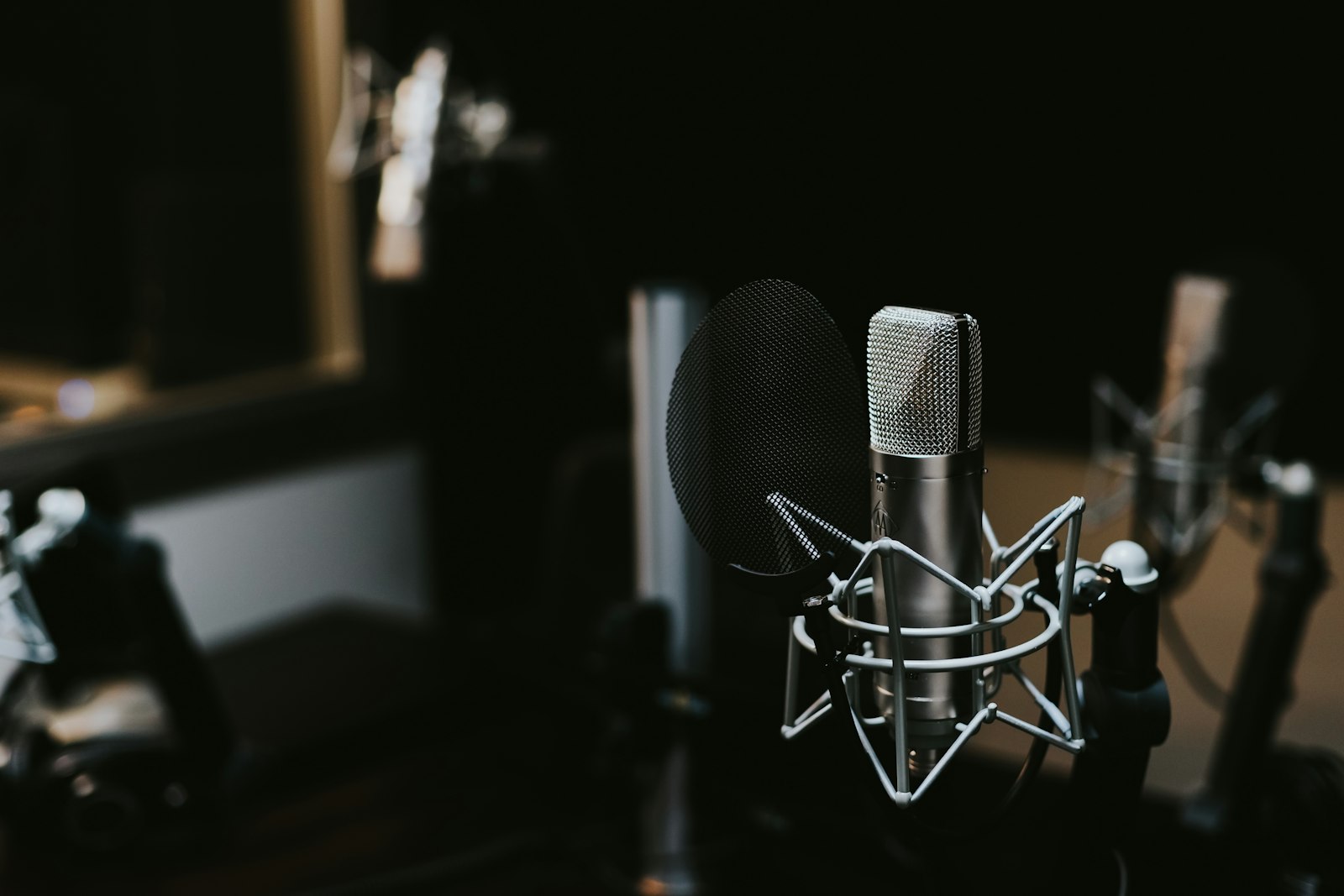
A studio microphone in a shock mount

How do shape and seal change what you hear?

The seal is the air lock around the ear. A gap leaks bass. Shape decides whether that lock closes on your head. A better seal is often clearer and fuller, not just louder.

The gap is closed by ear pads that bring bass back. Shape does as much as foam for compatible ear pads to change the sound and replacement pads for closed-back bass.

The seal is what pads that change the sound, ear pads and sound quality, ear pads for bass, and replacement pads for bass follow. The goal is compatible ear pads for a better seal and clearer sound. Both cups stay the same shape with ear pads for deeper bass as a matched pair. All the way around your head, you still need memory foam ear pads for a tighter bass seal, ear pads for tighter bass on over-ear headphones, and compatible pads for a bassier sound on closed-back headphones.
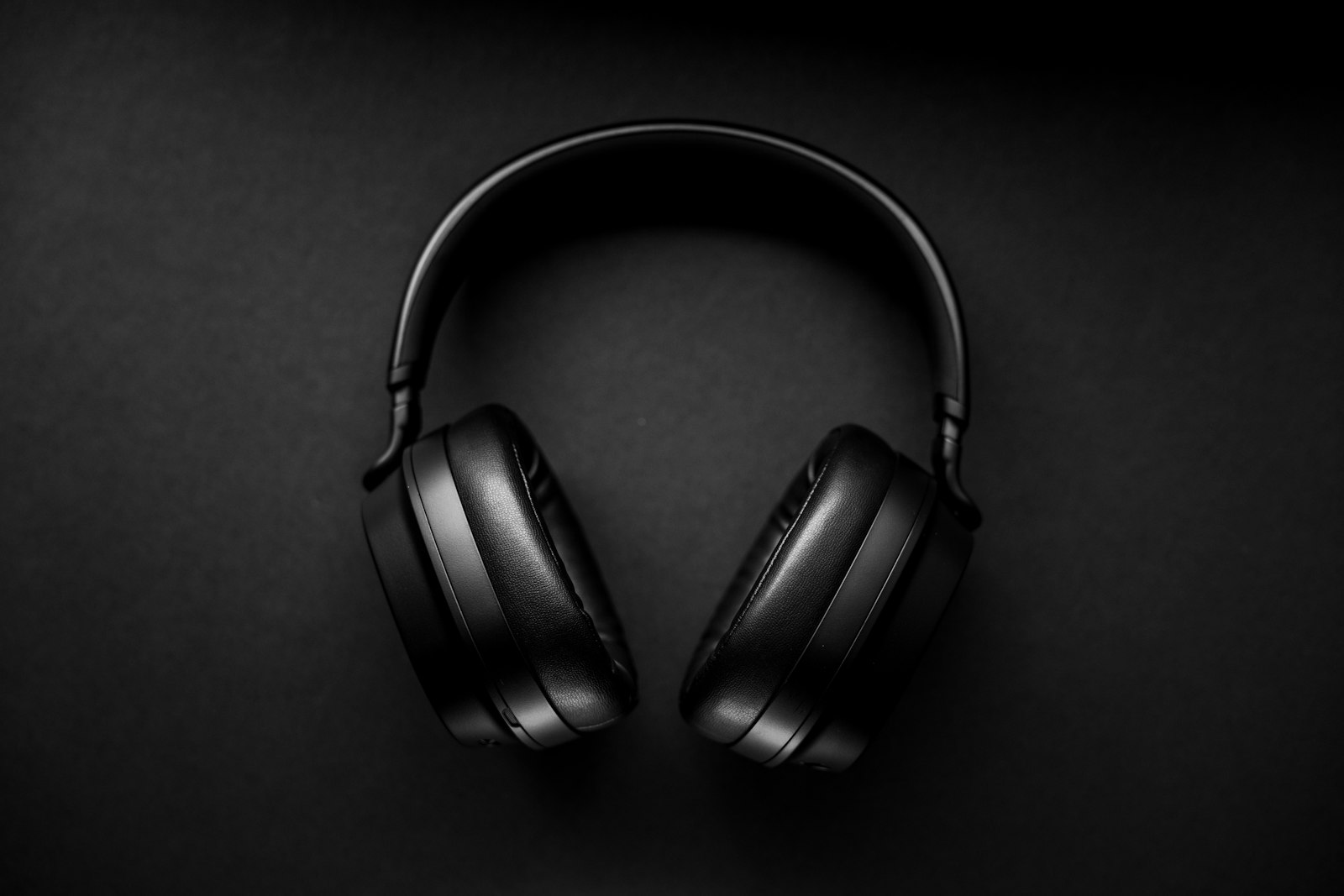
Black over-ear headphones on a dark surface

When do new pads bring bass back?

When the old foam collapsed and the seal opened. A denser pair that closes the gap restores bass the worn pad lost. If the driver itself is damaged, pads will not revive it.

That opened seal is the job for ear pads for stronger bass, dense ear pads for fuller bass, and ear pads that bring bass back. They do not repair a driver that no longer moves.

What the worn cushion lost can be restored by ear pads for bass, replacement pads for bass, ear pads and sound quality, and pads that change the sound. The direct case is compatible ear pads if the old foam collapsed and the bass dropped. The leak is closed by replacement pads for deeper bass when the old foam is flat, dense ear pads for fuller bass on headphones you use at home, and memory foam ear pads for a tighter bass seal. So one side does not stay open, ear pads for deeper bass as a matched pair keep the two cups even.

Why does the headphone design decide the result?

Closed-back headphones show pad swaps in the bass more than open designs do. Pick pads for the headphone you have. A bassier pad on a closed-back is a common goal. It is not a promise for every model. KRK studio cups follow that rule: the pad changes the seal on that headphone, and it fits the KRK mount alone.

That closed shell is what replacement pads for closed-back bass are aimed at. With the model in mind, buy ear pads for a bassier sound, and treat ear pads for bass and tonal balance as a choice for this headphone, not for headphones in general.

When the back is closed, ear pads and sound quality, pads that change the sound, ear pads for bass, and replacement pads for bass shift more. The common case is an ear pad swap for sound and tonal balance on closed-back headphones. The cups you own still decide compatible pads for a bassier sound on closed-back headphones, dense foam ear pads for bass and tonal balance, and ear pads for tighter bass on over-ear headphones. The mount has to match compatible ear pads for a better seal and clearer sound, or the sound change is a bad fit.

The headphone decides what a new pad does to the sound. A Sennheiser velour pad, an Audio-Technica cushion, and a Beyerdynamic pad each keep a different seal and a different distance to the driver. A pad from one of those lines belongs on its own mount.

Which pair should you buy?

Buy the pair aimed at the sound you want: denser pads and a real seal for bass that dropped with flat foam, and a thickness you accept will also move the tone. Match the mount so the sound change is the pad, not a bad fit.

A product link is published only after fit and catalog are confirmed.

Sponsors

FAQ

Do ear pads change sound quality?

Yes. Material, thickness, shape, and seal change bass and tonal balance, and the headphone design decides how much.

Why did bass drop as the pads wore out?

Flat foam opens the seal. Air leaks, and bass falls. A pad that seals again is the usual fix.

Will any thick pad add bass?

No. Bass follows the seal and the space in front of the driver. Thick and leaky is not the same as dense and sealed.

Do pad swaps matter more on closed-back headphones?

Usually yes. Closed designs show seal and pad depth in the bass more clearly.

Can new pads fix a blown driver?

No. Pads change the acoustic front of a driver that still works.

What should I buy if I want the bass back?

A matched pair with a real seal and denser foam than the collapsed pads, on the correct mount.